



On this page, I’m gathering everything I’ve discovered about improving and maintaining brain function. Especially for people with ADHD or various mental health conditions. And of course, the fear of dementia...
Caring for the brain includes the following areas:
Below is the information, organized by the topics above:
Preventing brain damage (physical and chemical)
Physical injuries to the brain, even when they are not severe, can disrupt the neural networks responsible for emotional regulation, attention, and concentration. As a result, anxiety- or depression-like conditions may develop, along with difficulties with attention and memory and impaired daily functioning. Protecting the brain from impacts—by using protective equipment, avoiding repeated injuries, and getting timely medical examinations—is essential for maintaining proper function and preventing cumulative damage.
🍷 Avoiding alcohol – a key to brain and body health
Alcohol consumption, even in small amounts, has been linked to long-term brain damage and accelerated aging. Studies show that alcohol reduces the volume of gray and white matter in the brain, damages neural connections, and increases the risk of cognitive decline and dementia. In addition, alcohol weakens DNA repair mechanisms and increases oxidative stress and systemic inflammation—key processes in aging and neurological diseases.
Physical health is also directly affected: alcohol increases the risk of liver disease, type 2 diabetes, heart disease, high blood pressure, and even several types of cancer, including liver, esophageal, and breast cancer. Even "social" or "moderate" drinking is not risk-free; recent meta-analyses show that there is no completely safe level of consumption, since any amount of alcohol increases the risk of harm to health to some degree.
In addition, alcohol impairs sleep quality, reduces secretion of the hormone melatonin, and interferes with the brain’s detoxification mechanisms during sleep, which may worsen degenerative processes. Avoiding alcohol or significantly reducing consumption may improve brain function, slow biological aging, reduce chronic inflammation, and strengthen the body’s ability to recover and maintain optimal function over time.
Sources:
WHO – Alcohol and Health
The Lancet – Alcohol and Global Burden of Disease
NIH – Alcohol’s Effects on the Brain
Sleep
Quality sleep is essential for maintaining brain health, because it is during sleep that neural waste is cleared, synaptic connections are strengthened, and nerve cells are restored. Chronic sleep deprivation has been linked to an increased risk of dementia and accelerated brain degeneration. In addition, adequate sleep improves concentration, memory, and executive functions, and reduces the severity of attention deficit disorders. Maintaining healthy sleep habits is a key protective factor for optimal brain function and long-term cognitive health.
Lighting and sleep
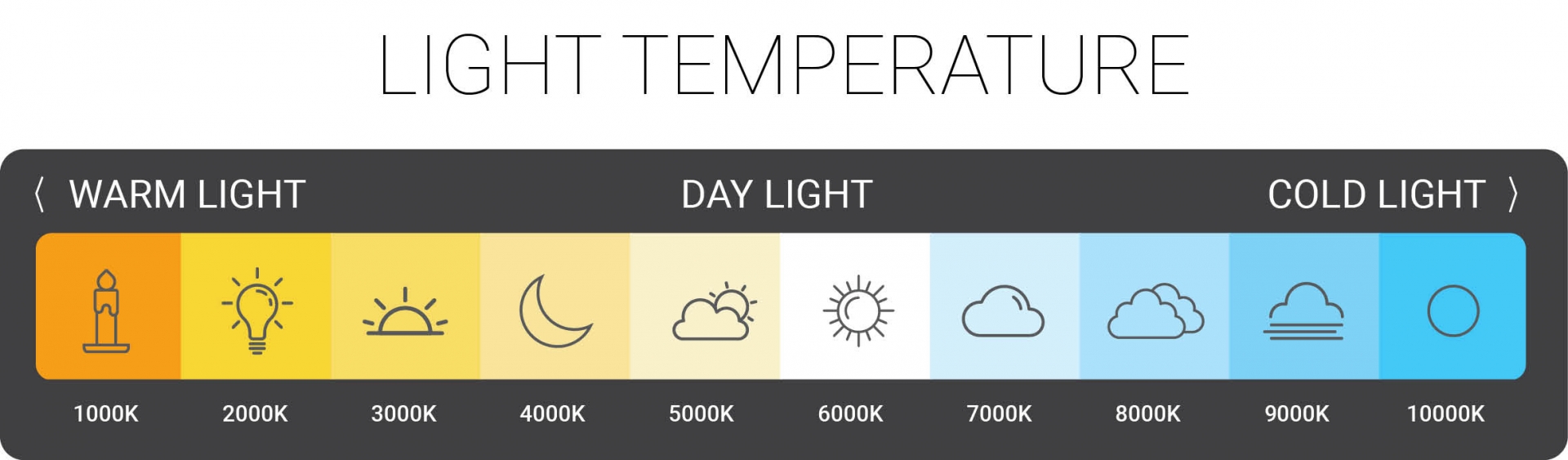
The sleep cycle is controlled by the biological clock, which is influenced by exposure to light. In the morning, natural sunlight, especially its blue component, encourages melatonin suppression and increases alertness and concentration. In contrast, exposure to warm light or lower light levels in the evening allows the body to secrete melatonin, which is essential for falling asleep and getting deep, quality sleep. Bright artificial lighting at night can disrupt the natural cycle and lead to chronic fatigue, memory impairment, and attention difficulties. Getting sunlight during the day and reducing blue light before bedtime help maintain brain health and sleep quality and prevent cognitive decline over time.
You can buy lighting that changes color at the flick of a switch. (For example)
Nutrition
The brain is the organ that consumes the most energy in the body, and its function depends directly on a supply of essential nutrients. A balanced diet rich in protein, omega‑3 fatty acids, vitamins, and minerals supports the production of neurotransmitters, protects against inflammation, and promotes repair processes and proper cognitive function. In contrast, a diet high in sugars and harmful fats may accelerate brain aging and increase the risk of memory decline, attention disorders, and even dementia.
Omega 3
🧠 Omega‑3 for the brain and overall health
Brain health: EPA and DHA fatty acids are essential for building nerve cell membranes, improving memory and attention, and preventing cognitive decline.
Inflammation and cancer prevention: Omega‑3 reduces chronic inflammation, lowers the risk of developing pro-inflammatory environments associated with cancer, and affects biological pathways involved in cell division.
Heart and blood vessels: Helps lower triglycerides and maintain healthy blood vessels—important for brain health too.
Recommended intake: Fatty fish (salmon, sardines, mackerel) 2‑3 times a week, or omega‑3 supplements at a dose of 1–2 grams per day, as recommended by a doctor.
Limitations: Clinical studies are still examining the effectiveness of omega‑3 in preventing cancer in humans.
Sources:
National Institutes of Health (NIH) – Omega-3 Fatty Acids
PubMed – Omega-3 and Cognitive Function
American Cancer Society – Diet and Cancer Prevention
Cinnamon
Antioxidant and anti-inflammatory properties: Rich in polyphenols such as cinnamaldehyde that reduce oxidative stress and inflammation in the brain.
Neuroprotection: Laboratory and animal studies indicate reduced accumulation of Alzheimer’s-related proteins.
Cognition: Reviews show improvements in memory, learning, and attention.
Blood sugar and inflammation: Helps balance insulin and reduce systemic inflammation.
Limitations: Evidence in humans is limited.
Choice: Ceylon is recommended (less coumarin).
Use: Up to 2 grams per day—in smoothies, coffee, or yogurt.
Inulin and FOS (Inoline and FOS)
Inulin and FOS are prebiotic fibers that feed beneficial gut bacteria and support brain function through the gut-brain axis.
How to incorporate them into your daily diet:
Morning: a teaspoon of inulin in coffee/a smoothie—for concentration.
Lunch: a teaspoon of FOS in yogurt—to improve mood.
Afternoon: inulin in oatmeal—for energy.
Evening: FOS in tea—for relaxation and good sleep.
Tips: Start with small amounts (1–2 grams), combine with probiotics, drink plenty of water, and be consistent.
Physical activity
Regular physical activity is one of the most powerful tools for maintaining brain and body health. Studies indicate that aerobic exercise (such as walking, running, or swimming) increases blood flow to the brain, boosts the production of neural growth factors (BDNF), and improves memory, attention, and thinking processes. In addition, it helps reduce stress and depression and improves sleep quality—both essential for optimal brain function.
In the body, physical activity reduces the risk of heart disease, diabetes, and obesity—conditions also associated with cognitive decline. It reduces chronic systemic inflammation, which is linked not only to neurological diseases but also to the development of cancer. Epidemiological studies show that people who are regularly active have a lower risk of certain types of cancer, including colon, breast, and prostate cancer. Physical activity also improves metabolism and hormonal regulation, helping create an anti-cancer environment in the body.
It is recommended to combine at least 150 minutes of moderate aerobic activity or 75 minutes of vigorous activity per week with strength training twice a week. Even simple daily activities—such as walking, taking the stairs, or cycling—produce significant health benefits.
Sources:
PubMed – Exercise and Brain Health
American Cancer Society – Physical Activity and Cancer Risk