These days I'm reading a wonderful book, Eat to live - buy it today!
One veeery relevant chapter from the book:
Breast Cancer and Prostate Cancer - Solving the Mystery
Although many books and studies have been written about the causes of breast cancer, for many women this subject remains a mystery. To the men among you, I recommend that you keep reading rather than skip to the next topic. You have mothers, daughters, sisters, and wives, and you must help them protect themselves against this serious disease. You may also be surprised to learn that the causes of breast cancer are identical to those of prostate cancer. Men with a family history of breast cancer are at greater risk of developing prostate cancer, and similarly, women whose families have had cases of prostate cancer are more likely to develop breast cancer. Researchers have long since concluded that there is a clear connection between these two types of cancer, which are linked to the hormonal systems of both men and women
between these two types of cancer, which are linked to the hormonal systems of both men and women.
Today, women in Western countries are twice as likely to develop breast cancer as they were in the previous century. Most of the increase in incidence has occurred over the past 50 years. Despite the fear, warnings, and information published in the media, many women do not know how to protect themselves against the disease. Researchers hoping to isolate a single cause have reached a dead end, because breast cancer results from many factors. We must understand that the rapid rise in breast cancer rates observed in recent decades resulted from several factors acting simultaneously. Today, we have a great deal of information about the causes of the disease. The good news is that, contrary to what was once commonly believed, our genes play only a secondary role in its development. Breast cancer does not strike women at random, and therefore the fight against the disease can end in victory.
Understanding the Factors Involved in the Development of Cancer
The process by which cancer develops (carcinogenesis) consists of several stages. This multistage process begins with precancerous damage to cells, which gradually worsens and leads to increasingly malignant changes. In the first stage, abnormal changes appear in cells, eventually developing into cancer. These changes generally occur during adolescence and immediately after puberty.26 Poor dietary habits in childhood cause increased production of sex hormones and early pathological changes in breast tissue, paving the way for cancer to develop many years later.
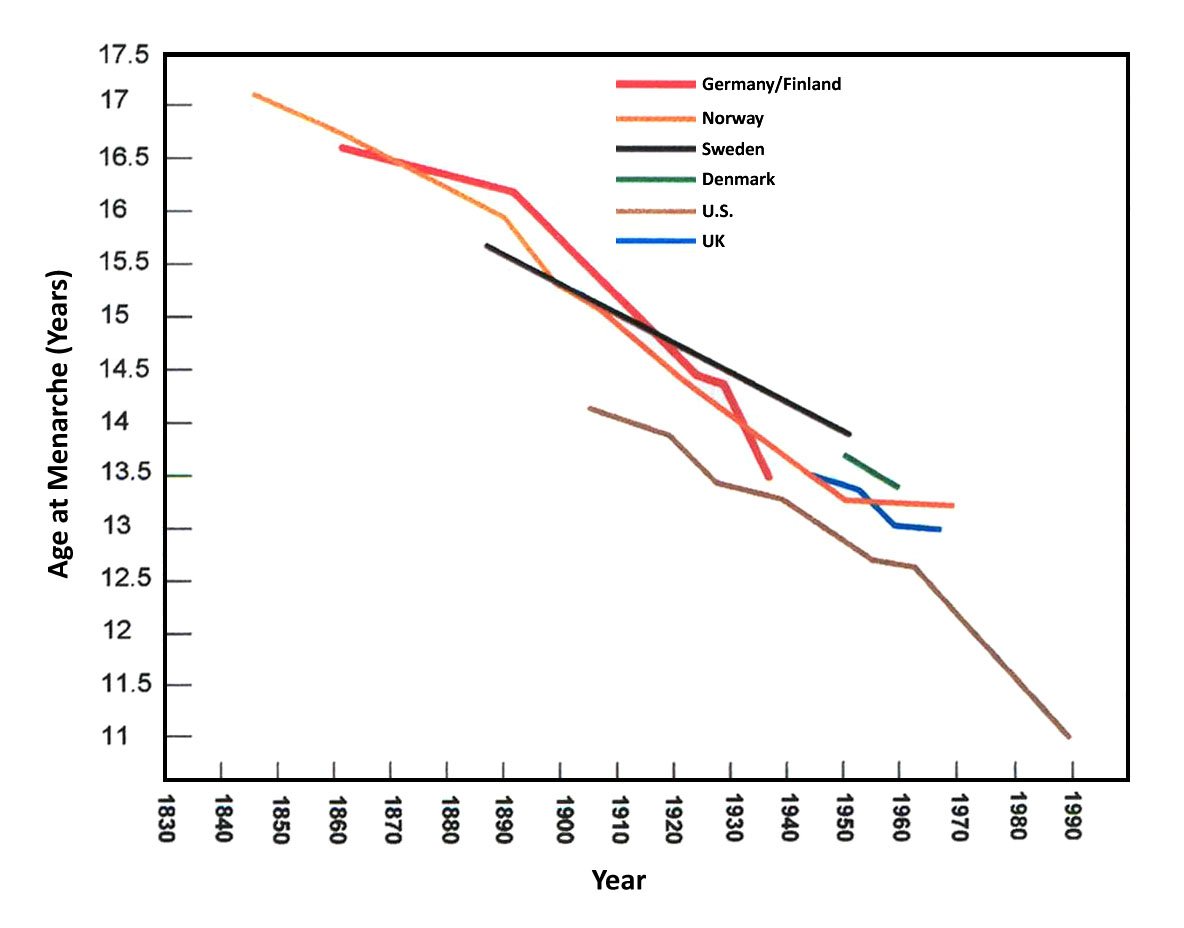
We know that early puberty increases the risk of developing breast cancer later in life. Studies have shown that the hormones produced in the ovaries play a central role in the development of breast cancer. Doctors have long known that the earlier a woman reaches sexual maturity (the age at which her first menstrual period occurs), the greater her risk of developing breast cancer. Early sexual maturity and excess weight are significant risk factors for breast cancer. Earlier sexual maturity also puts men at risk. Researchers have found that early sexual maturity increases men's risk of developing testicular and prostate cancer. It also accelerates the aging process. This phenomenon has been observed in animals as well. When researchers accelerated the growth of laboratory animals through dietary means, they died earlier than expected.
Alarmingly, experts in Western countries note that in recent decades, the age at which the first menstrual period occurs has been falling. In the United States, for example, the average age is 12. According to World Health Organization data, the average age of sexual maturity in 1840 was 17.
During the years in which the age of the first menstrual period fell from 17 to 12, significant changes took place in the dietary habits of people in Western countries. Consumption of fats, processed carbohydrates, cheese, and meat rose considerably, while consumption of complex carbohydrates, such as starchy vegetables, fell dramatically. Modern studies of girls who ate a vegetarian diet (based mainly on complex carbohydrates) and no meat at all found that they reached sexual maturity later and also suffered less from pimples (acne). Increased consumption of animal foods raises the levels of hormones that cause early puberty. These hormonal disturbances also manifest themselves later in adulthood. A diet low in vegetables and fruit and high in meat also causes uterine fibroids (myomas) to develop. Women's risk of developing fibroids rises in direct proportion to increased meat consumption and reduced consumption of plant foods. In other words, our eating habits at a young age largely determine our future health, particularly our risk of developing breast or prostate cancer.
Studies conducted in Europe and later in the United States indicated that a high-protein diet is a more reliable predictor of early menstruation than excess weight. These findings are consistent with earlier studies of girls in South Africa, which found a link between increased animal protein consumption and earlier sexual maturity. In the 1990s, when data from the China Project were analyzed, the connection between breast cancer incidence and consumption of animal foods was found once again.
In China, a clear connection was found between consumption of animal foods, early sexual maturity, and high levels of sex hormones. For example, researchers observed a clear link between blood testosterone levels and breast cancer. This connection was even more significant than the influence of the hormone estrogen. It should be noted that high testosterone levels were associated with higher rates of both breast and prostate cancer. Testosterone levels also rise as a result of excess weight, and indeed, obesity is another risk factor for these diseases.
The findings of the China Project are particularly intriguing, since breast cancer rates in China are much lower than in Western countries. It is no coincidence that consumption of animal foods in China is also much lower than in the United States. The highest meat consumption in China amounts to less than 50% of average meat consumption in the United States. Breast cancer rates recorded among the group that ate meat 4 times a week were 70% higher than among the group that ate meat once a week. It should be noted that the two groups differed only in the amount of meat in their diets, and fresh vegetable consumption was almost identical among all participants. Breast cancer mortality rates rose significantly alongside increased consumption of animal foods. Americans consume enormous quantities of cheese. Over the past 25 years, cheese consumption in the United States has increased by 193%! This is undoubtedly a cause for concern, since, compared with other foods, cheeses contain enormous quantities of saturated fats, hormones, and other substances involved in the body's hormonal processes. This is one reason for the dizzying rise in rates of hormone-related cancers. Studies have found no connection between moderate changes in fat consumption later in life and cancer rates. However, research findings indicate that significant dietary changes at a young age have a beneficial effect on preventing these diseases from developing. An analysis of subjects' lifelong eating habits led researchers to conclude that meat and dairy consumption has a decisive influence on breast cancer rates. Among populations whose fat intake accounts for less than 10% of their total calorie intake, almost no cases of breast cancer have been recorded. After reviewing numerous articles written on the subject and published in the Journal of the National Cancer Institute, leading researchers concluded that the studies that did not show a connection between consumption of animal foods and breast cancer had structural methodological flaws.