A trailer recently circulated on social media featuring former senior security officials touting their combined experience – "1,000 years of experience." By my count, the figure is closer to 688 years if you calculate from the age at which they began their service. Among the statements made there, former Shin Bet chief Nadav Argaman said, "I don't know of an army that defeated guerrillas."
History offers quite a few counterexamples:
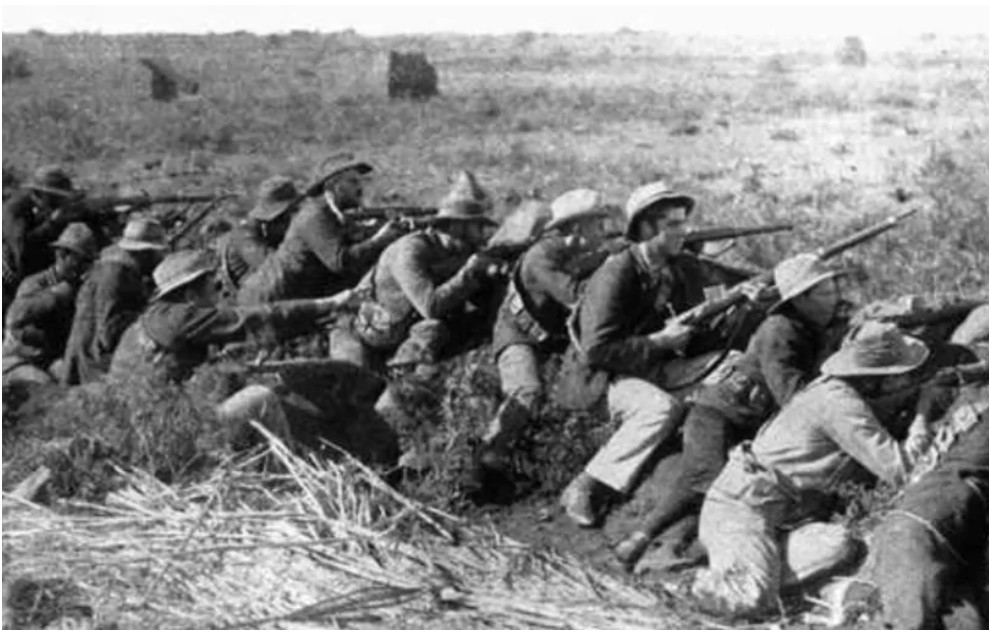
The Second Boer War 1899 - 1902
The Boers switch to guerrilla warfare, and the British close in on them with a dense network of outposts, burn farms and fields, concentrate civilians in camps, and the guerrillas lose their supply base and surrender
The Greek Civil War 1946 - 1949
The Greek army, with British and American assistance, takes control of villages, seals the mountainous borders, cuts the communist guerrillas off from supplies and Yugoslav support, and the guerrilla forces collapse
The "Malayan Emergency" 1948 -1960
The British relocate the population supporting the guerrillas into protected villages, use precise intelligence, train Malayan military personnel, and, through a series of military operations, cut the communists off from their territory, breaking the guerrillas and forcing their surrender.
Suppression of the Hukbalahap Rebellion in the Philippines 1946 -1954
The Philippine army launches targeted operations to eliminate the communist Hukbalahap rebels, strikes their headquarters, and blocks supply routes until all their forces surrender.
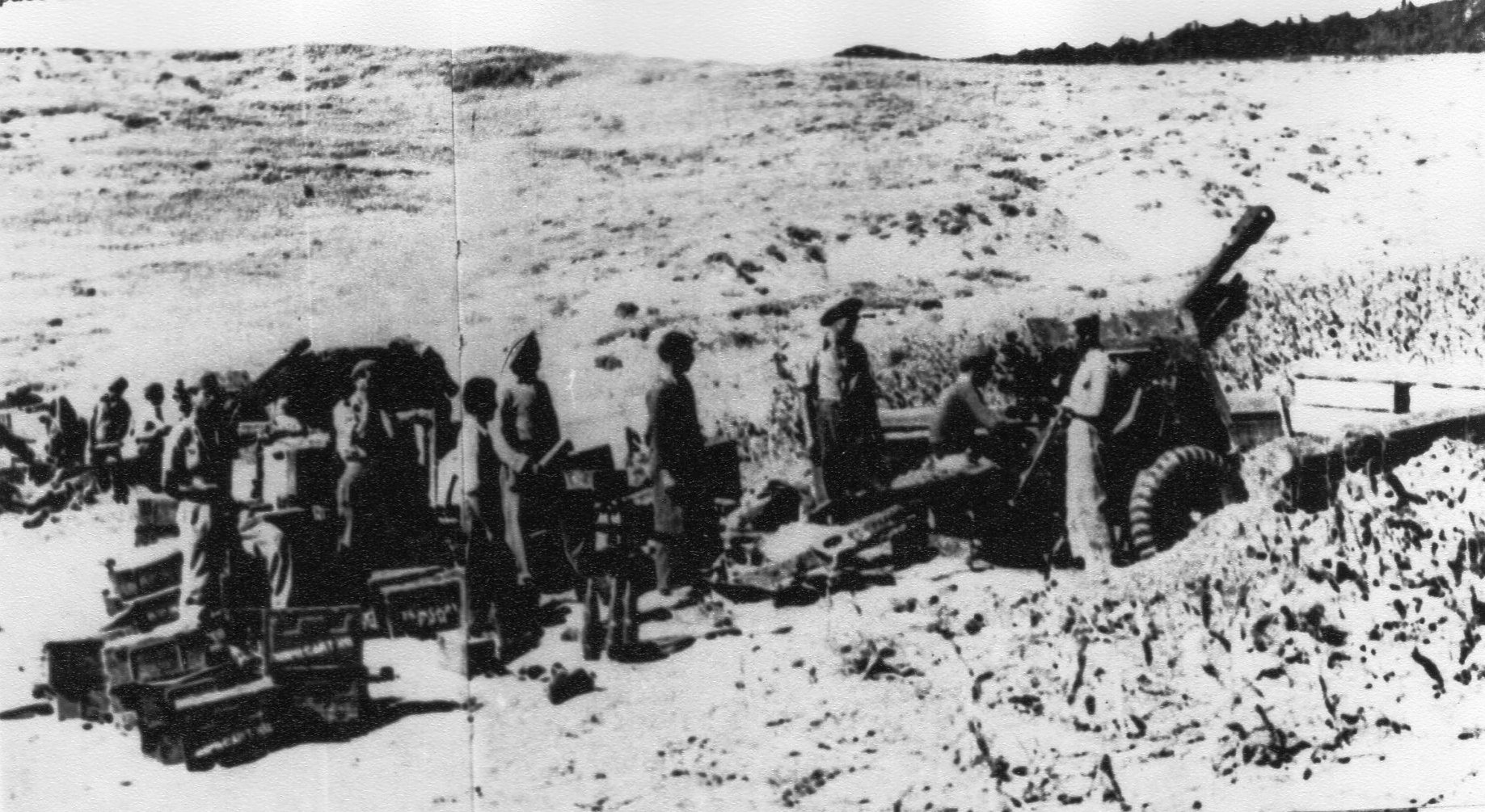
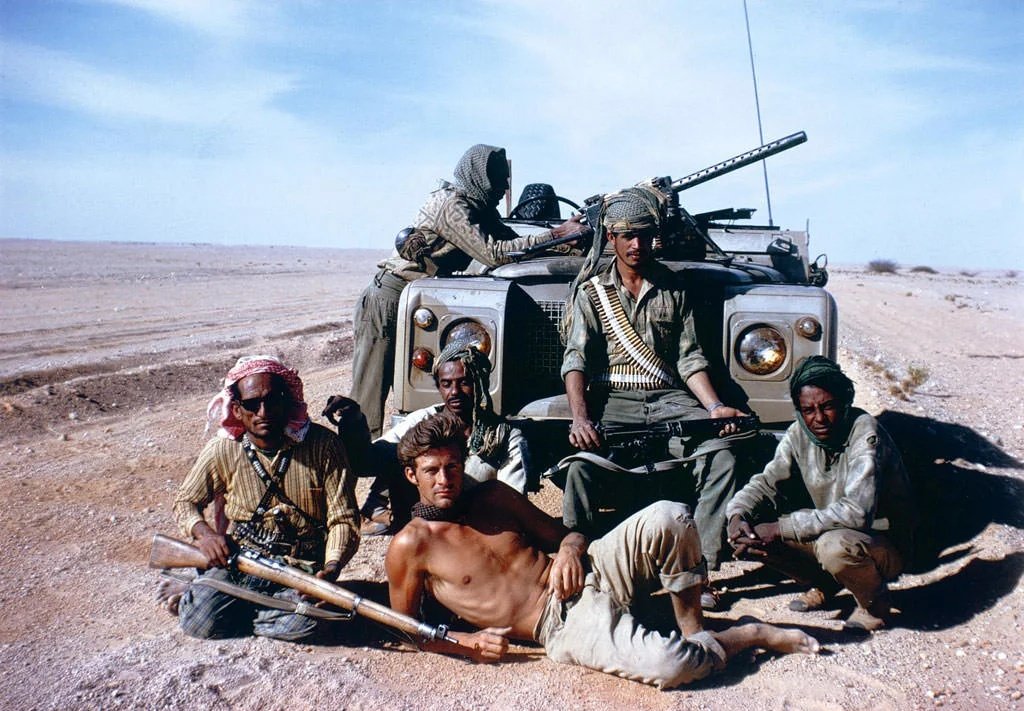
The Dhofar Rebellion in Oman 1962 - 1976
The army, assisted by Britain's elite SAS unit, captures the mountains where the Dhofari rebels are entrenched, cuts off smuggling from South Yemen, and destroys Marxist guerrilla bases until all their forces surrender or die. [And finally, a chance for me to put this epic photo of the legendary Ranulph Fiennes here for you...]
Peru 1980 - late 1990s
The army captures areas controlled by the communist "Shining Path" organization, takes control of villages supplying it, and brings the organization down after a strangling siege and the capture of its leader, Abimael Guzmán
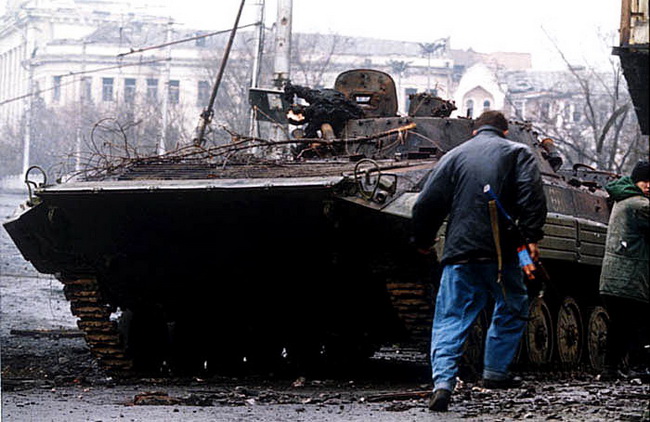
The Second Chechen War 1999 - 2009
The Russians capture Grozny and the mountains, cut off supply channels, destroy guerrilla camps, and establish pro-Russian militias that take control of the territory and suppress guerrilla warfare.
The Sri Lankan Civil War 2006 - 2009
The army launches an all-out offensive, encircling and isolating LTTE-controlled areas, then moves to eliminate its naval and air forces and destroy its entire military leadership.
In all these cases, one central method stands out: cutting the guerrillas' supply lines and separating them from the civilian population. This is a critical element in a regular army's victory over guerrilla warfare.
The fact that this approach is unfamiliar or was not examined in depth during periods when some of those featured held key positions raises questions about the lack of a coherent "strategic culture" in Israel. This situation leaves a vacuum that allows political actors to set the direction even in security and strategic affairs. The result is inconsistency in decision-making processes and a lack of structured frameworks for action in emergencies.
Rather than getting bogged down in purely theoretical discussions, it is important to learn from the past – from successes as well as failures – and build a clear strategic foundation that will enable Israel to act consistently and effectively against various kinds of threats, including guerrilla warfare.